
 PDF Download
 PubReader
 Export Citation
 Email the Author
 Share Facebook
 Share Twitter
 Cited by 1 Article
 Metrics (View:7,850)







INTRODUCTION
Individuals with borderline intellectual functioning (BIF), commonly defined as having an intelligence quotients (IQ) between 70 and 85 (Peltopuro et al., 2023), face distinctive cognitive and adaptive challenges that limit their educational and employment opportunities. Under the conventional assumption of a normal distribution of IQ scores (μ=100, σ=15), the range of 70 to 85 aligns with z-scores in the interval [-2, -1], representing approximately 13.6% of the population. This estimate remains approximate, as observed prevalence rates vary according to the context of the assessment and the sampling strategies employed. Despite their significant representation, individuals with BIF are seldom identified as having special needs (Orío-Aparicio et al., 2025), resulting in limited support. These challenges are particularly evident in labor market outcomes. A Finnish population study found that individuals with BIF were employed at roughly half the rate of the general population, indicating a substantial employment gap (Peltopuro et al., 2023). These findings indicate markedly reduced long-term economic participation among the BIF group (Peltopuro et al., 2023).
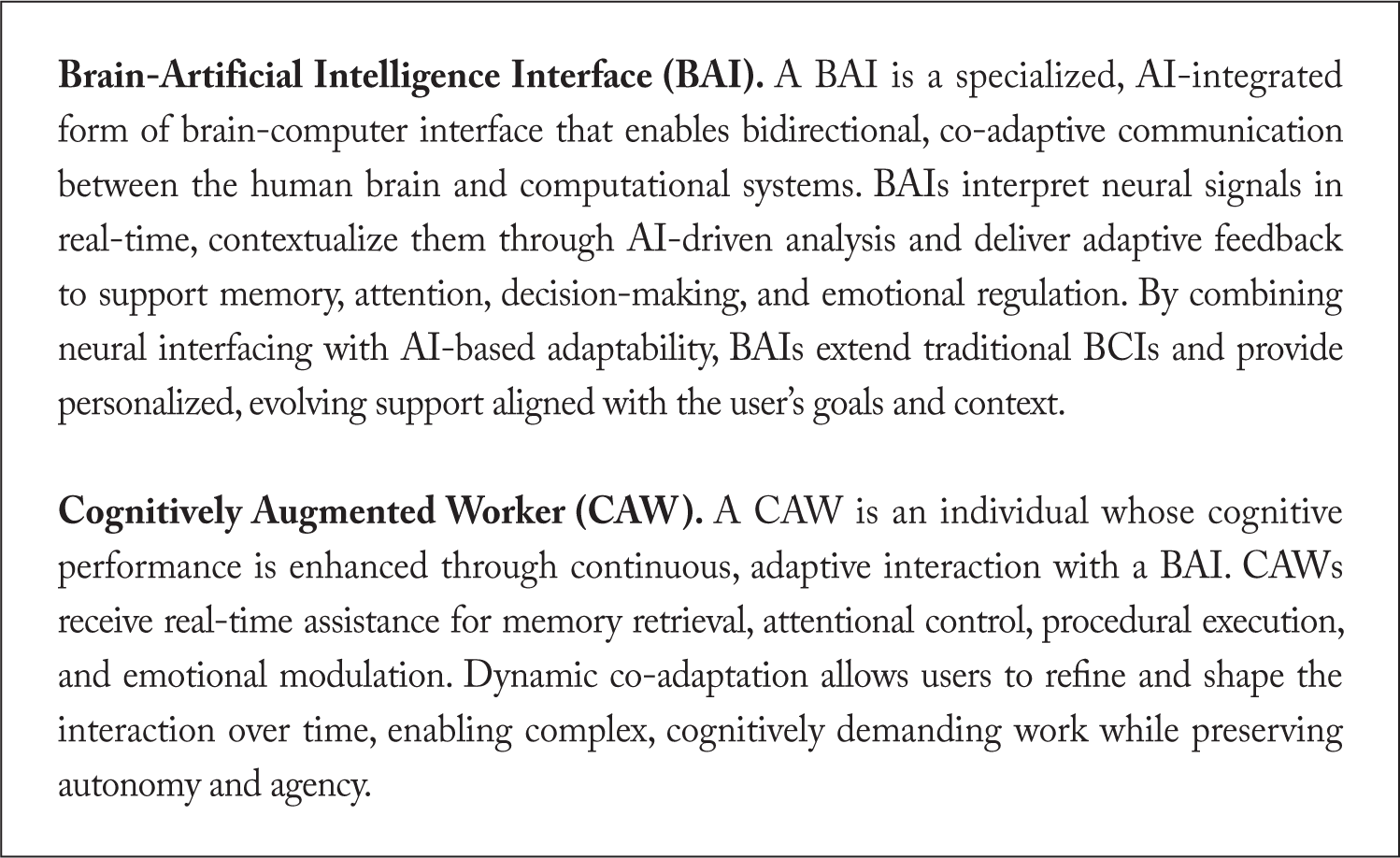
A bidirectional brain-computer interface (BCI) integrated with AI in a co-adaptive, closed-loop configuration, hereafter referred to as a brain-AI interface (BAI), may present a promising solution to this problem by enabling dynamic and reciprocal communication between the human brain and an AI system. Hughes et al. (2020) define bidirectional BCIs as systems that not only decode neural signals to control external devices but also deliver somatosensory feedback to the brain through electrical stimulation. These interfaces establish a two-way channel between the brain and the external world by integrating motor output and sensory input. Building upon this foundation, the BAI, as a co-adaptive and closed-loop form of bidirectional BCI, can be conceptualized as an advanced architecture in which the brain interacts directly with an AI system capable of adaptive response, contextual interpretation, and real-time cognitive collaboration. In theory, this enables the AI to continuously support the user’s cognition by providing memory prompts, guidance, and learning support.
The system can dynamically adapt to the user’s neural responses in real-time, as demonstrated in BCI-based approaches to cognitive augmentation involving memory, attention, problem-solving, and executive function (Cinel et al., 2019; Hampson et al., 2006). While these applications remain within the scope of BCI technologies, the BAI concept represents an advanced configuration within this framework, capable of interpreting higher-order cognitive intent, supporting contextual understanding, and modulating its behavior through continuous co-adaptation. By establishing a constant closed-loop between the human brain and AI, a BAI may further enhance these functions beyond the capacities demonstrated in current BCI research.
Within this framework, individuals with BIF supported by BAI systems may function as cognitively augmented workers (CAWs), capable of performing complex work tasks that might otherwise exceed their unaided cognitive capacity (Fig. 1). With proper assistance, CAWs could contribute more effectively to modern economies by filling roles that utilize their AI-enhanced skills. This approach provides new insights into the potential contributions of this historically marginalized group. In the sections that follow, we examine the workforce disparities faced by individuals with BIF, explore how a BAI-based technology might address these challenges, and analyze the socioeconomic and ethical implications of deploying CAWs at scale.
LOW LABOR FORCE PARTICIPATION AMONG INDIVIDUALS WITH BORDERLINE INTELLECTUAL FUNCTIONING (BIF): STRUCTURAL BARRIERS AND SOCIOECONOMIC IMPLICATIONS
Labor force participation and employment outcomes for individuals with BIF are substantially lower than those of neurotypical individuals (Peltopuro et al., 2023). Across various studies, individuals with BIF experience higher rates of unemployment than the general population (Emerson et al., 2018; Peltopuro et al., 2023). For instance, in Finland, approximately 43.6% of working-age individuals with BIF were employed, compared to 88.1% in the general working population (Peltopuro et al., 2023). Additionally, 30.8% of individuals with BIF were classified as pensioners, whereas only 5.3% of the general population received a pension (Peltopuro et al., 2023). Similarly, research from the United Kingdom indicates that full-time employment rates for individuals with BIF range between 42% and 47%, which is significantly lower than the rates observed among neurotypical peers, ranging from 54% to 62% (Emerson et al., 2018). Although some individuals with BIF secure employment, they are disproportionately represented in part-time roles and are often concentrated in low-skilled, low-wage positions that offer poor job security (Emerson et al., 2018; Peltopuro et al., 2023). Consequently, they frequently earn considerably less than their neurotypical counterparts, which contributes to greater economic hardship within this demographic (Emerson et al., 2018; Orío-Aparicio et al., 2025; World Economic Forum, n.d.). Many become trapped in a cycle of underemployment or irregular work. This leads to greater dependence on welfare systems or family support (Peltopuro et al., 2023).
Specific data on individuals with BIF are scarce because they are not often tracked separately. Nonetheless, it is evident that many face a steep climb as they experience chronic unemployment or instability in low-wage jobs, which further restricts personal income and contributes to broader socioeconomic challenges. Recent findings highlight this pronounced labor market gap, showing that individuals with BIF experience significantly higher unemployment rates, lower earnings, and a greater reliance on social safety nets than the general workforce (Emerson et al., 2018; Peltopuro et al., 2023).
Given these persistent disparities, there is a growing imperative to reconsider how individuals with BIF can be more effectively integrated into the labor force. Rather than viewing this population solely through the lens of deficit or dependency, a shift toward capability-oriented frameworks that leverage emerging technologies may prove beneficial. Such an approach recognizes the latent potential of individuals with BIF when they are supported by tailored vocational training, intelligent assistive systems, and inclusive workplace practices enabled by technological advancement.
THE ROLE OF BRAIN-ARTIFICIAL INTELLIGENCE INTERFACES (BAIs) IN WORKFORCE AUGMENTATION
Traditional BCI systems have predominantly functioned as unidirectional interfaces, enabling users to issue commands or control cursors based on neural activity, or to receive one-way stimulation that offers only limited feedback (Zhang et al., 2020). In contrast, recent advancements in bidirectional BCI architectures have introduced real-time bidirectional control, integrating motor intention decoding with the delivery of sensory feedback. For instance, individuals with severe motor impairments have regained ambulatory control and perceived bilateral leg sensations through such systems, thereby partially restoring sensorimotor function (Lim et al., 2025). Building on this paradigm, BAI holds significant potential not only for restoring disrupted motor and sensory pathways but also for augmenting cognitive capacities in individuals with BIF, potentially enabling them to perform structured tasks at levels comparable to neurotypical workers.
In practical terms, BAIs for CAWs may function as described below. CAWs are equipped with neural interfaces, either implanted or in the form of a non-invasive headset, which are expected to monitor brain signals associated with attention, comprehension, memory, and stress. AI companion systems, tuned to the CAWs’ cognitive profiles, analyze these signals along with the context of the tasks at hand. While current applications primarily focus on preventing declines in user efficiency (Karim et al., 2024; Kumar et al., 2023), it is conceivable that BAI-based systems intended to enhance cognitive performance may become viable in the near future. Supporting this possibility, evidence suggests that BCI-based neurofeedback training can enhance cognitive functions in conditions such as attention deficit hyperactivity disorder and mild cognitive impairment (Edelman et al., 2025). Such assistance may help CAWs recall procedures, recognize patterns, and focus on relevant details.
A detailed, phased technological development roadmap has been outlined to facilitate this integration, offering a promising outlook for future advancements.
The first phase focuses on constructing the fundamental BAI platform by advancing both the neural interface hardware and the AI-driven software pipeline. A key goal is to achieve reliable, real-time translation of brain signals into actionable commands for AI systems, thereby forming a robust communication loop between the user’s brain and the artificial agent.
To frame the complex functionality of future BAIs, the system architecture can be divided into two interdependent domains: Research A and B. Research A encompasses the acquisition, preprocessing, and decoding of neural signals, focusing on both hardware and algorithmic mechanisms for extracting meaningful information from brain activity. Research B, by contrast, concerns the return flow of information. It focuses on how processed signals can be fed back into the brain or interface to modulate neural activity, enhance cognitive performance, and support adaptive plasticity. While each component addresses a distinct stage within the signal-to-action pipeline, they are increasingly likely to function as an integrated loop in more advanced systems. These developments collectively suggest the potential for cognitive augmentation through tightly integrated neural-AI systems.
Neural signal processing and interpretation form the foundation of any BCI system, beginning with the seamless acquisition of brain activity and extending to real-time preprocessing and decoding. To meet the stringent temporal and energy constraints of modern applications, researchers have increasingly focused on both hardware-level signal conditioning and software-level interpretation. High-bandwidth neural interfaces and on-device preprocessing units are essential for capturing clean, high-dimensional brain signals (Luan et al., 2020).
Building on this foundation, Liu et al. (2025) propose a memristor-based neuromorphic decoder that integrates signal preprocessing and feature extraction into a single-step matrix operation. This hardware innovation yields a 216-fold increase in decoding throughput and a 1,643-fold reduction in energy consumption compared to conventional CPU-based approaches, thereby enabling real-time performance in resource-limited environments.
In parallel, algorithmic developments have advanced the accuracy and robustness of neural decoding. Convolutional neural networks (CNNs) and long short-term memory (LSTM) networks have been applied to extract motor intentions and cognitive states from neural recordings (Kuo et al., 2024; Viviani et al., 2023), while Bayesian inference methods have enhanced electroencephalography (EEG)-based communication paradigms for individuals with paralysis (Hong et al., 2023).
A striking example of decoder-centered innovation is provided by Littlejohn et al. (2025), who developed a streaming neural-to-speech AI decoder capable of translating intracortical signals from a completely paralyzed individual into fluent, audible speech in near real-time. This system demonstrates the extraordinary potential of deep learning–based decoders to restore expressive communication by directly mapping intended neural activity to continuous speech output, bridging the gap between cognitive intent and social interaction.
While these breakthroughs highlight the expressive potential of neural decoders, their practical realization requires deployment in real-world, resource-constrained environments. To this end, researchers have begun integrating neural decoding systems at the edge. To support real-time operation in low-power settings, hardware-embedded deep learning frameworks have been coupled with neural interface systems. Rokai et al. (2023) present a two-stage spike-sorting pipeline that combines self-supervised feature embedding with supervised spike detection. Optimized for real-time execution on edge Tensor Processing Units (TPUs), their system processes neural signals directly from brain implants without the need for cloud offloading. By collocating TPU-based inference with neural recording hardware, the system achieves low-latency spike classification and sorting at the edge, thereby substantially reducing reliance on centralized computation.
These innovations considerably improve the efficiency of capturing and decoding neural signals. Yet the next frontier is to determine how processed information can be fed back into the brain to guide and adapt neural activity.
Bidirectional feedback and adaptive modulation represent a shift in human–machine interaction from static interpretation to dynamic, co-evolving engagement. In contrast to open-loop models that extract neural information without further interaction, bidirectional systems return feedback to the user and modify their internal state based on the user’s neural response. This feedback may be implicit or explicit, sensory or cognitive, but its function is always regulatory. It allows the system to adjust its operation in response to the user’s changing goals, mental states, or neural patterns, thereby maintaining alignment over time.
A striking example of implicit feedback is reported by Liu et al. (2025), who developed a memristor-based neuromorphic decoder capable of both real-time inference and adaptive updates. The system detects error-related potentials as neural feedback, using them to update the decoder during ongoing interaction. Over six hours of continuous use with ten participants, the co-evolution of brain signals and the decoder yielded an average 20% improvement in accuracy, with both neural patterns and decoder maps progressively converging. This demonstrates a hardware-level realization of adaptive feedback, in which biological and artificial components jointly evolve through continuous modulation.
Further evidence of automatic feedback processes comes from closed-loop neuromodulation studies. By monitoring brain activity and delivering targeted stimulation in response to detected anomalies, such systems have been shown to refine motor control and enhance cognitive function through reinforcement of plasticity and improved signaling efficiency (Jin et al., 2024; Ros et al., 2014). These approaches exemplify how BAIs can intervene directly at the neural circuit level, providing stability and functional gains without requiring conscious effort from the user.
Taken together, these findings suggest that implicit and automatic forms of feedback may be particularly suited to individuals with BIF. By progressively stabilizing neural dynamics and adapting system parameters in real-time, such mechanisms can create a supportive environment in which the brain and artificial agents co-evolve, sustaining reliable performance with minimal user burden.
Integrating these domains is likely to be essential for advancing BAI systems. Building on this integration, Fig. 2 illustrates a conceptual closed-loop architecture in which neural signals representing the brain’s electrical activity and reflecting user intentions are dynamically combined with external instructions that provide contextual task guidance. At each time step t, the decoder receives the neuronal signal nt and the external stimulus or instruction INt as inputs and produces an intermediate representation ht. The execution module maps ht into a control signal ct, which induces the observed performance pt. The deviation is computed by comparing pt with the expected performance . The loss is calculated within the adaptive feedback unit and used to update the parameters of both the decoder and the execution module.
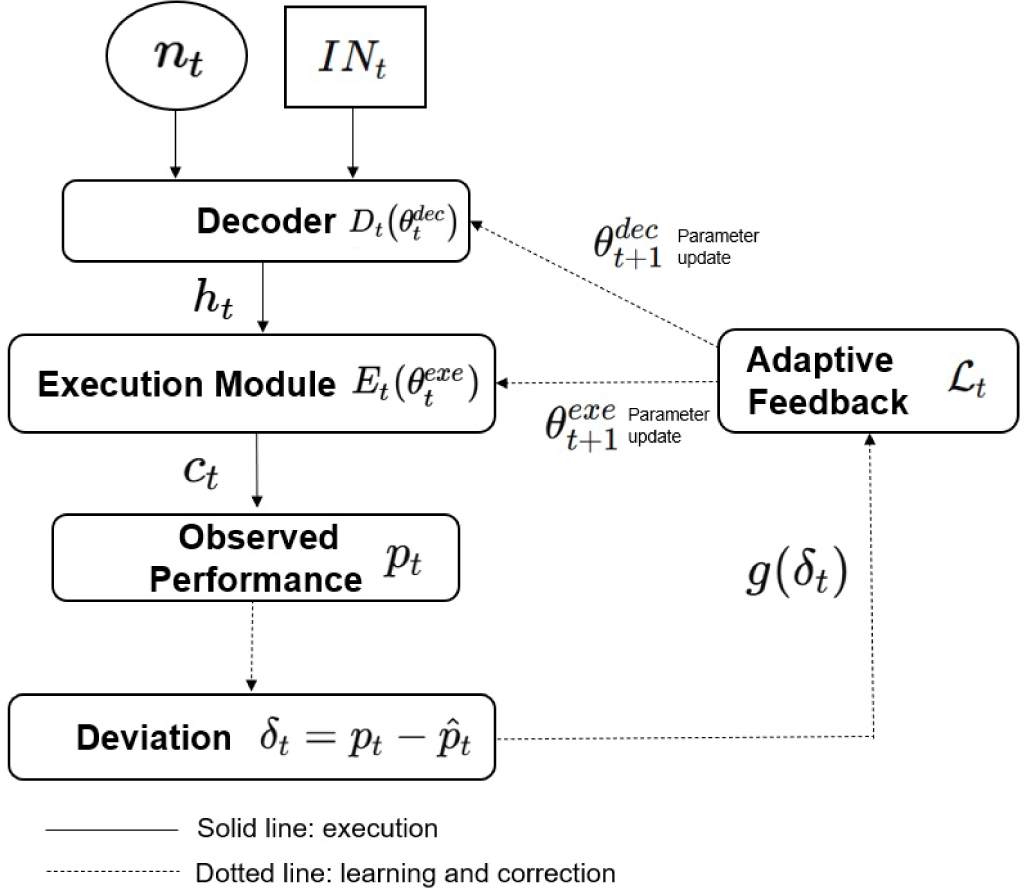
Through this closed-loop process, the system continually refines its decoding and execution modules in real-time, achieving co-adaptive integration between neural interpretation and stimulus-driven task performance.
Within this framework, neural activity that encodes user intent is systematically merged with contextual guidance to direct task execution through a process of iterative self-optimization. By comparing ongoing performance with expected results, the system incrementally adjusts its internal parameters, leading to progressive improvements in responsiveness, efficiency, and alignment with user needs. As these processes evolve, such co-adaptive learning is expected to facilitate the transition from discrete modular pipelines to holistic, co-evolving architectures that engage dynamically with the brain. Ultimately, these architectures may enable personalized closed-loop systems that support executive functions, enhance the performance of complex tasks, and promote fuller participation in cognitively demanding environments. Over time, this developmental trajectory may help transform individuals with BIF into CAWs capable of sustained and adaptive performance in dynamic settings.
No two individuals with BIF exhibit identical cognitive profiles; therefore, it is necessary to tailor the AI assistant to each user (Jankowska et al., 2021). This variability is rooted in stable trait-level differences that shape how each person processes information and engages with tasks. For instance, one individual may show marked difficulties with reading comprehension, struggling to extract meaning from written text, whereas another may have particular limitations in mental arithmetic, finding it challenging to retain numerical information or manipulate quantities in working memory (Jankowska et al., 2021). Others may present uneven profiles in which certain executive functions, such as planning, organization, or inhibitory control, are disproportionately affected relative to overall cognitive ability.
Such heterogeneity means that a uniform design is insufficient. Instead, the AI must be capable of mapping these distinctive profiles and aligning its assistance accordingly. For a user with language-related difficulties, the system might rely more heavily on visual cues, simplified instructions, or multimodal presentation of information. By contrast, for a user with mathematical weaknesses, the system could provide stepwise scaffolding for numerical operations, frequent prompts for verification, or tools that externalize memory demands. In both cases, the AI’s interaction style, including the type of cues, the frequency of feedback, and the level of detail, is adjusted to match the user’s enduring cognitive characteristics.
This approach does more than enhance task performance; it also seeks to preserve each individual’s unique identity. By adapting to enduring cognitive traits rather than overriding them, the BAI supports the person as they are, helping them participate more fully without erasing the distinctive ways in which they process and experience the world. Trait-level customization, therefore, serves as both a practical necessity and an ethical commitment to respecting individuality within augmentation.
Alongside ongoing technological development, it remains essential to integrate BAI into actual work environments (Gonfalonieri, 2020). With the ongoing evolution of BCI technologies, their integration may progressively require the careful design of jobs and workflows to accommodate CAWs, along with adjustments to training processes. This process can follow three operational steps: (1) Task analysis, in which existing jobs are broken down into discrete tasks to identify requirements and constraints; (2) Selection of CAWs-compatible tasks, focusing on activities most likely to benefit from AI-supported cognitive augmentation; and (3) application programming interface (API) integration, in which task-specific instructions and manuals are made accessible through interfaces that enable AI to retrieve information from company databases and deliver it directly to workers.
To ensure smooth deployment in real-world settings, the underlying neurotechnology must also adapt to dynamic workplace environments. While reliable BCI use has traditionally depended on periodic calibration and designated quiet zones (Chavarriaga et al., 2017; Rashid et al., 2020), next-generation systems are expected to leverage real-time artifact removal algorithms (Schmoigl-Tonis et al., 2023). Recent progress in short and zero-calibration EEG techniques (Ko et al., 2021), alongside motion-tolerant wearable systems (Casson, 2019), suggests that such platforms may eventually operate robustly in more naturalistic, noise-prone work environments.
Just as awareness campaigns have long played a critical role in reducing stigma and fostering understanding of individuals with disabilities (Scior et al., 2020), it is equally important to cultivate informed and nuanced awareness of the capabilities and limitations of CAWs. Such awareness among managers and colleagues can help foster an inclusive team environment and mitigate misconceptions about how CAWs interact with conventional workflows. Additionally, pilot programs across various industries, such as manufacturing and office data entry, should be carefully developed and implemented. These programs will enable systematic evaluation of CAW effectiveness in practical settings and help identify the types of workplace accommodations needed to support both their performance and integration.
SOCIOECONOMIC TRANSFORMATION OF INDIVIDUALS WITH BORDERLINE INTELLECTUAL FUNCTIONING (BIF) INTO COGNITIVELY AUGMENTED WORKERS (CAWs)
Individuals with BIF are primarily restricted to low-skilled labor positions (Emerson et al., 2018; Peltopuro et al., 2023). Targeted cognitive augmentation through AI-driven systems could support their transition into more stable forms of employment and facilitate access to regular income. As a result, such developments may significantly enhance their financial independence and long-term security.
The primary rationale for enabling individuals with BIF to work as CAWs through BAI is economic stabilization, as structured employment can provide regular income and support long-term financial independence (Peltopuro et al., 2023). Beyond this, however, there are important psychosocial effects that follow from sustained workplace participation. Individuals with BIF face elevated risks of anxiety and depressive symptoms, often associated with social isolation, diminished self-worth, and exclusion from education or employment (Hassiotis et al., 2019; Peltopuro et al., 2023). Engagement as CAWs can mitigate these difficulties by creating structured opportunities to contribute in visible and meaningful ways, thereby enhancing self-esteem and fostering a stronger sense of purpose. Research consistently shows that employment is linked not only to material security but also to improved mental health and greater life satisfaction, a pattern also evident among those with cognitive or intellectual impairments (Emerson et al., 2018). Moreover, inclusive and collaborative workplaces can strengthen interpersonal connections, promote a sense of belonging, and gradually reduce stigma as coworkers gain sustained exposure to CAWs in functional roles (Peltopuro et al., 2023). Taken together, while economic stability remains the central driver, these additional psychosocial gains highlight the broader value of BAI-enabled employment for long-term wellbeing and social integration.
For modeling purposes, all numerical results are presented as final values rounded to the second decimal place, with intermediate calculations performed using the original unrounded figures to ensure accuracy. The share of individuals with BIF in the total population is fixed at pBIF = 0.136 (Peltopuro et al., 2023). The integration ratio (α) represents the proportion of the population of individuals with BIF equipped with BAI systems who are successfully integrated into the workforce as CAWs, while the relative productivity ratio (β) denotes the average productivity of CAWs as a fraction of the general workforce’s productivity. The gross domestic product (GDP) elasticity coefficient (θ) reflects the percentage change in GDP associated with a 1% change in the labor supply, and is set at θ ∈ [0.43, 0.48] based on empirical studies of advanced economies (Haider et al., 2023).
Combining these elements, the macroeconomic effect can be expressed in closed form as:
Where pworking-age is the share of the population in the working-age bracket.
For sensitivity analysis, two demographic cases are considered: pworking-age = 0.60 (yielding κ ∈ [3.51, 3.92]) and pworking-age = 0.70 (yielding κ ∈ [4.09,4.57]), where κ is the composite multiplier preceding αβ.
Assuming α = 0.30 and β = 0.5, we obtain αβ = 0.15.
Thus, under conservative assumptions, CAW integration could expand GDP by approximately 0.53% to 0.69%.
Assuming α = 0.70 and β = 0.80, we obtain αβ = 0.56.
This scenario illustrates the substantial potential GDP gains that can be achieved if integration rates and relative productivity improve through technological refinement, workplace adaptation, and the broader adoption of CAWs.
While these projections necessarily abstract from real-world complexities such as device acquisition and maintenance costs, training and retraining investments, sector-specific productivity differentials, and institutional capacity constraints, they nevertheless underscore the macroeconomic potential of inclusive AI-enabled employment strategies. At a sufficient scale, higher participation of CAWs in the labor market could contribute not only to GDP growth but also to easing fiscal pressures on healthcare, disability support, and other social service systems, while advancing broader social inclusion goals.
Beyond their role in increasing aggregate output, CAWs integrated into formal employment structures could transition from being net recipients of public resources to becoming net contributors to public revenues. This shift would occur through income taxation, social security contributions, and indirect taxation, achieved through increased consumption. Such a transition would represent a significant repositioning for individuals with BIF, both economically and socially, by reframing them as active economic agents whose contributions reinforce fiscal sustainability.
In summary, the integration of CAWs into the workforce holds the potential to enhance economic resilience by expanding productive capacity, stimulating domestic demand, and broadening the fiscal base. The magnitude of these benefits will ultimately depend on the quality of program design, the scalability of supporting infrastructure, and the extent to which workplace environments and management practices are adapted to maximize CAW effectiveness.
COGNITIVELY AUGMENTED WORKERS (CAWs) vs. ROBOTICS
When deploying CAWs in the workforce, one essential consideration is the strategic balance between human enhancement and the increasing reliance on robotic or AI-driven automation. This question is particularly salient in sectors dominated by routine or low-skilled labor, where technological substitution and augmentation may present overlapping possibilities. A critical decision thus lies in choosing between investing in CAWs and pursuing full automation to address labor shortages and efficiency demands.
While robotic and AI-based systems are often promoted as comprehensive solutions to productivity gaps, complete automation frequently entails substantial financial investment and technical complexity (Campilho & Silva, 2023). Moreover, for tasks that require contextual judgment, adaptability, and nuanced decision-making, the marginal returns from full automation may be constrained (Manyika et al., 2017). By contrast, combining human labor with forms of automation short of full automation provides a more adaptable and potentially cost-efficient alternative to exclusive reliance on full automation (Nguyen & Elbanna, 2025). This approach can capitalize on the inherent adaptability of human workers, an asset that even sophisticated autonomous systems may struggle to replicate.
Although both humanoid robotics and BAI systems are regarded as potentially transformative technologies for augmenting human labor, it is not yet possible at the current stage of development to establish a clear cost efficiency advantage for either approach. Commercially available humanoid robots designed for applications such as elder care, logistics, and hospitality vary widely in price, ranging from approximately USD 30,000 to over USD 100,000, depending on factors such as customization, durability, and functional capability (Qviro, 2024). In contrast, the current estimated cost of implementing a BCI-based system, which includes BAI prototypes, is centered around USD 50,000. This cost is primarily driven by the implantable device itself and the specialized personnel training required to ensure safety and effectiveness (UNILAD, 2025). Elon Musk has suggested that future mass production could reduce BCI costs to levels comparable to those of consumer electronics, such as smartwatches (Benzinga, 2024), although such projections remain speculative.
Each technology involves a unique and complex cost structure. Humanoid robots require not only hardware acquisition but also long-term expenses for maintenance, energy consumption, and software updates. BAI systems require surgical implantation, ongoing clinical oversight, and long-term biocompatibility management, each of which introduces medical risk and uncertainty regarding long-term sustainability. Furthermore, robotics benefits from relatively mature production pipelines and an expanding number of commercial deployments, whereas BAI remains at an early prototypical stage with limited large-scale clinical applications.
At present, neither peer-reviewed studies nor official government or intergovernmental statistics provide directly comparable total cost of ownership (TCO) data for humanoid robotics and CAW configurations operating under equivalent specifications in the same period. In the absence of high-reliability data, this analysis has necessarily relied on grey literature sources, including industry reports, corporate announcements, specialized blogs, and media articles, to obtain preliminary insight into market trends and cost structures. Although such sources can offer useful indicative information, they often lack methodological transparency and representative sampling. The price ranges cited above are therefore drawn from grey literature and should be regarded as indicative rather than definitive values.
Given these limitations in obtaining robust and directly comparable cost data, the present study adopts a conceptual TCO framework as a structured approach for assessing both humanoid robotics and CAW configurations under equivalent performance specifications. This framework, which applies across the full operational lifecycle, organizes cost considerations into four principal categories: acquisition, operation, upgrade and maintenance, and end-of-life and disposal. For humanoid robotics, these categories encompass factors such as equipment purchase, installation, maintenance, energy consumption, and decommissioning. For CAWs, they include device procurement, surgical implantation, clinical oversight, software updates, and device removal. Each category reflects distinct cost drivers and variability factors, as summarized in Table 1.
CAWs may offer advantages in labor settings where emotional intelligence and contextual sensitivity are essential. Unlike robots, which operate through fixed algorithms, CAWs may retain the human ability to perceive and respond to emotional nuance. When assisted by AI tools that support memory, attention, and emotional regulation, they might engage more effectively in roles that require empathy and interpersonal awareness.
Caregiving provides a clear example. Fields such as elder care, disability support, and mental health services involve relational tasks that extend beyond physical assistance. While robots can support routine activities, they may lack the capacity to recognize distress, convey emotional warmth, or adjust their behavior in response to subtle cues. CAWs, by contrast, might combine their human sensitivity with AI-supported consistency, allowing them to respond more naturally and adaptively in emotionally charged situations.
Similar expectations arise in service roles such as hospitality, food service, and customer interaction. These sectors rely not only on functional efficiency but also on trust, intuition, and social presence. Customers often expect authentic engagement, something that automated systems may struggle to replicate. CAWs could meet these needs by integrating their interpersonal capacities with AI-guided responsiveness, offering a blend of emotional intelligence and operational reliability.
The implications of this model may extend beyond individual workplaces. Many economies are experiencing persistent labor shortages in essential yet cognitively manageable sectors (Alam, 2022; Bailey, 2022; OECD, 2019). These roles demand adaptability but do not necessarily require advanced academic training. CAWs might offer a viable response to such gaps.
While robots are highly effective at enhancing productivity within production systems, they lack the capacity to engage in consumption. This fundamental limitation excludes them from participating in the broader production–consumption cycle, thereby restricting their ability to contribute to sustained economic dynamism (Jungmittag & Pesole, 2019). Robotic systems do not possess purchasing power, nor do they generate demand for goods and services. As a result, their integration, while beneficial for operational efficiency, does not inherently stimulate downstream economic activity.
In contrast, CAWs can serve as both producers and consumers within the economic ecosystem. Their dual role enables them to contribute not only through labor but also through market participation. By earning income and engaging in consumption, CAWs may help sustain the cyclical flow of value that underpins economic vitality (King, 2022). This integration fosters a more dynamic and inclusive economic model, where technological augmentation enhances human agency rather than replacing it. In doing so, CAWs can support not only labor market resilience but also aggregate demand, thereby reinforcing the structural sustainability of growth-oriented economies (King, 2022).
Although CAWs and robotic systems may compete in certain domains, it is more accurate to view them as complementary technologies, each suited to specific operational contexts. Robots are particularly effective in highly standardized, repetitive, or hazardous environments where consistency and mechanical precision are paramount. CAWs, on the other hand, are better positioned to operate in settings that demand adaptability, human judgment, or social interaction. Rather than seeking a single dominant solution, a diversified labor strategy can integrate both approaches according to the demands of each task.
ETHICAL, LEGAL, AND POLICY CONSIDERATIONS FOR COGNITIVELY AUGMENTED WORKERS (CAWs)
The transformation of individuals with BIF into CAWs should be guided by robust ethical and legal frameworks designed to protect their rights and well-being.
Ensuring informed consent is a critical element. Any implantation or use of BAI should be entirely voluntary and based on a clear understanding of its potential risks and benefits. Prospective CAWs and their guardians, where applicable, must receive transparent information regarding the device’s intended function, the data it may collect, and any potential cognitive or health side effects. It is essential that no individual be coerced, directly or indirectly, into receiving a brain implant as a condition of employment. Therefore, labor regulations should prohibit employers from mandating BAI use and require that such technology be offered as an opt-in assistive tool similar to a prosthetic limb, with the objective of empowering rather than exploiting individuals (Dickey, 2024; Kim, 2023; Yuste et al., 2017).
A BAI inherently interacts with an individual’s thought processes and thus raises considerable concerns regarding potential unauthorized access and unintended influences on neural signals by employers or AI providers (Dickey, 2024; Kim, 2023; Yuste et al., 2017). Research on neuroethical challenges and emerging legal frameworks suggests that inadvertent access, where neural signals not intended for work tasks may be compromised, has the potential to compromise both worker privacy and mental autonomy (Dickey, 2024). In accordance with established workplace privacy principles (Office of the Privacy Commissioner of Canada, 2023), the default ownership of neural data should reside with the individual, and any access by employers should be strictly limited and regulated. Furthermore, policies should ensure that BAI systems function solely as closed-loop cognitive aids under the user’s control, thereby helping to prevent unauthorized monitoring or manipulation of neural activity. Users must also retain an immediate pause control and an audited kill switch pathway that reverts to non-augmented operation without penalizing employment status, ensuring that disengagement remains a protected right rather than a source of professional disadvantage.
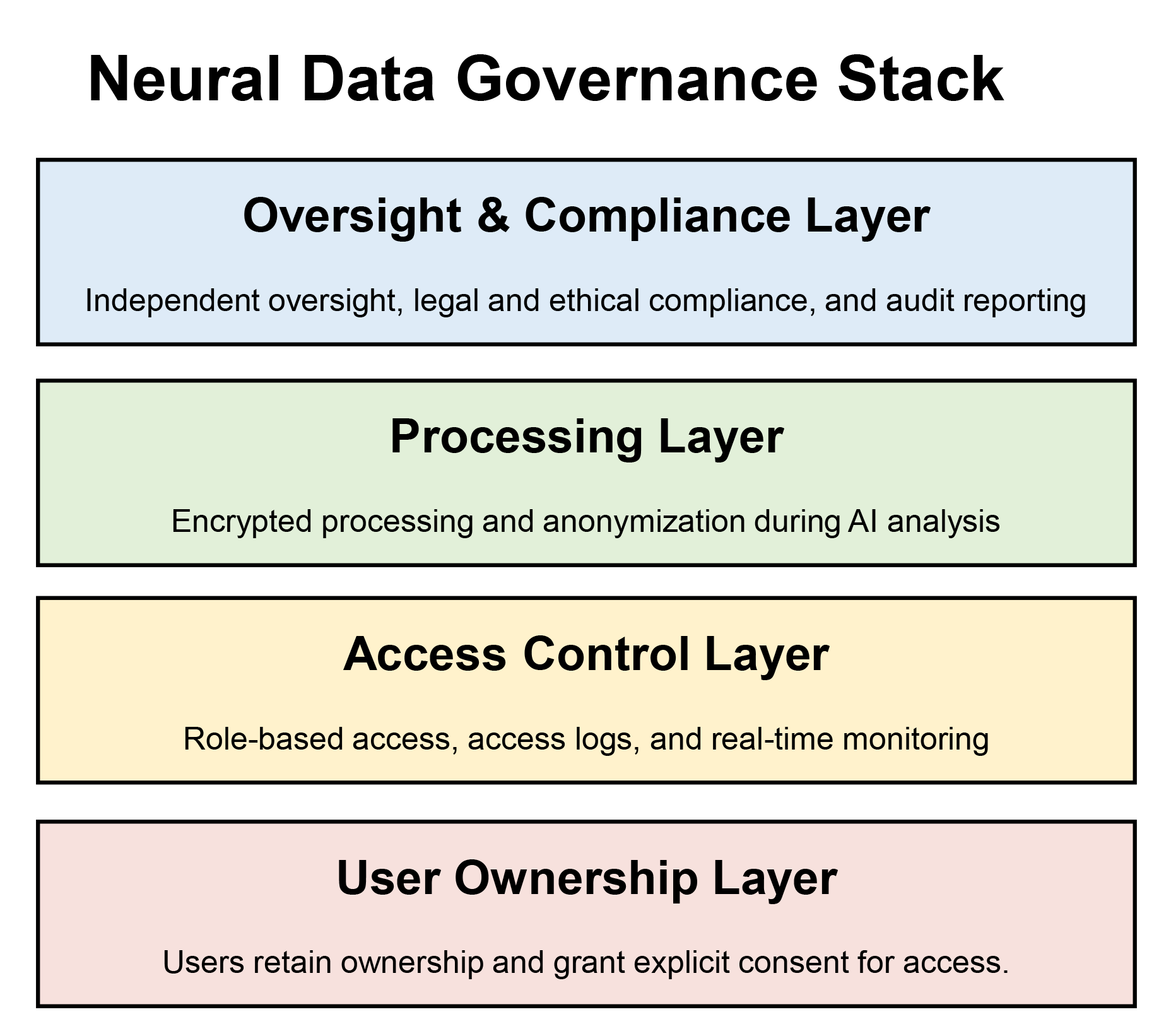
To further protect the integrity of personal thought processes, robust safeguards such as data encryption, anonymization during AI processing, and independent oversight of BAI algorithms should be implemented. Fig. 3 illustrates the proposed ‘Neural Data Governance Stack’, a layered framework that delineates the principles of user ownership, access control, secure processing, and compliance monitoring. Each layer integrates technical mechanisms with governance practices to safeguard mental autonomy and ensure the privacy of neural data in BAI-enabled systems. By aligning technical protections with enforceable rights and oversight, this model operationalizes ethical and legal safeguards in a way that preserves security, transparency, and user-centered control.
From a legal standpoint, it is essential to revise existing disability and labor laws, such as the Americans with Disabilities Act Amendments Act (ADA), to ensure stronger protections for individuals who rely on assistive technologies. CAWs may not be regarded as “disabled” in the traditional sense because the technology compensates for their impairments; however, under current law, such as the ADA, if an individual has a fundamental impairment, they remain eligible for legal protection (ADA, 2008). This situation creates a legal gray area that warrants careful consideration of the definition of disability under the ADA interpretations. Lawmakers should ensure that CAWs are protected against discrimination. For instance, employers should not be permitted to refuse to hire an individual solely because that person requires a BAI device. Such protection would be analogous to that afforded to individuals who use wheelchairs or hearing aids (California Department of Justice, n.d.). Additionally, employers should provide reasonable accommodations for BAI use in a manner consistent with their practices for other assistive devices (California Department of Justice, n.d.). Furthermore, workplace safety and insurance raise additional challenges. For example, suppose a BAI device malfunctions or contributes to an on-the-job health issue, such as triggering a seizure or causing cognitive overload. In that case, clear policies must be established to assign liability. Although direct legal precedent for BAI devices may be limited, analogous principles from defective machinery suggest that, for example, Occupational Safety and Health Administration (OSHA) regulations require employers to maintain safe equipment, and manufacturers are held liable under product liability principles as articulated in Restatement (Second) of Torts §402A (American Law Institute, 1965–1977); accordingly, in cases of negligence liability might be shared by device manufacturers.
Policy recommendations to foster the ethical deployment of BAI devices should begin with the establishment of robust certification and testing guidelines. For example, adopting a regulatory process similar to that of the Food and Drug Administration (FDA) for neurotechnology aimed at augmentation may help ensure both safety and efficacy prior to a wide-scale rollout (FDA, 2021). In parallel, governments may consider implementing financial support or funding programs modeled on existing provisions for assistive technologies in order to broaden access for those who could genuinely benefit (ACL, 2024). International labor organizations (ILO) may contribute by issuing comprehensive standards for integrating neurotechnology in the workplace with an emphasis on human rights, worker safety, and inclusivity. However, ILO standards may not explicitly address the involvement of specific stakeholder groups. Therefore, it is essential that policymaking actively involve representatives from affected communities, such as disability rights advocates, neuroethics experts, and other relevant stakeholders, to inform the necessary protections and considerations. Ultimately, safeguarding mental autonomy and individual dignity remains a core ethical imperative as enshrined in the Universal Declaration of Human Rights (1948). A BAI device should be regarded as an empowering tool, similar to an exoskeleton that aids mobility, rather than as a mechanism for employers or technology providers to exert undue control or harvest brain data. With thoughtful safeguards in place, BAI systems can be integrated in ways that respect and empower users. First, adopting Privacy by Design principles from the outset ensures that user data and mental privacy are protected (Information and Privacy Commissioner of Ontario, n.d.). Additionally, users should retain the ability to pause or disengage the device at will, and independent ethics oversight bodies could monitor and audit BAI deployments. Proactively establishing the necessary legal framework is essential to avoid potential future pitfalls and to help fulfill the promise of inclusive augmentation.
MAPPING THE PATH OF COGNITIVE AUGMENTATION: PROPOSITIONS, MEDIATORS, AND BOUNDARY CONDITIONS IN COGNITIVELY AUGMENTED WORKER (CAW) INTEGRATION
The proposed framework outlines a four-stage causal pathway through which BAI may influence macroeconomic dynamics by first enhancing the cognitive capacity of individuals with BIF. It begins with the adoption of BAI, which leads to cognitive enhancement, followed by improved job performance, greater employment stability, wage progression, and ultimately broader economic effects. Each link in this sequence is examined using three conceptual tools: mediators, which clarify the underlying mechanisms; boundary conditions, which define when and for whom the effects may vary; and propositions, which guide empirical investigation. As summarized in Table 2 and visually depicted in Fig. 4, these elements collectively outline the logical structure of the framework and the hypothesized flow from neurocognitive change to macroeconomic outcomes.
This table summarizes the causal progression from neurocognitive change to macroeconomic outcomes, specifying mediators and boundary conditions at each stage. Detailed interpretations for each proposition are elaborated in the subsequent ‘Stage-by-Stage Causal Model section’, which provides expanded discussion, contextual analysis, and practical implications.
P=Proposition: A concise, testable statement linking specified conditions to expected outcomes. Each proposition represents a hypothesis that can be empirically examined to assess causal relationships.
M=Mediator: An intervening variable that explains the mechanism through which the proposition operates. Mediators provide insight into the pathways and processes that connect conditions to outcomes, enabling more precise theoretical modeling.
B=Boundary Condition: A contextual factor that defines the circumstances under which a proposition remains valid or is applicable. These conditions determine the scope and applicability of the propositions across contexts, ensuring that findings are interpreted and applied with situational relevance.
The downward arrows (↓) indicate the directional flow of causality across the four sequential stages in the model: Stage 1 – BAI to Cognition, Stage 2 – Cognition to Performance, Stage 3 – Performance to Employment, and Stage 4 – Employment to Economy.
This four-stage causal model is designed to integrate micro-level cognitive mechanisms with macro-level socioeconomic outcomes. Each stage builds on the preceding one, creating a cumulative pathway from individual neural adaptation and performance improvement to workforce integration and, ultimately, national economic impact.
While the propositions are presented in a linear sequence, the model acknowledges potential feedback effects between stages in practical applications. However, for analytical clarity, such bidirectional effects are not depicted in this summary table.
AI, artificial intelligence; BAI, brain–artificial intelligence interfaces; GDP, gross domestic product.
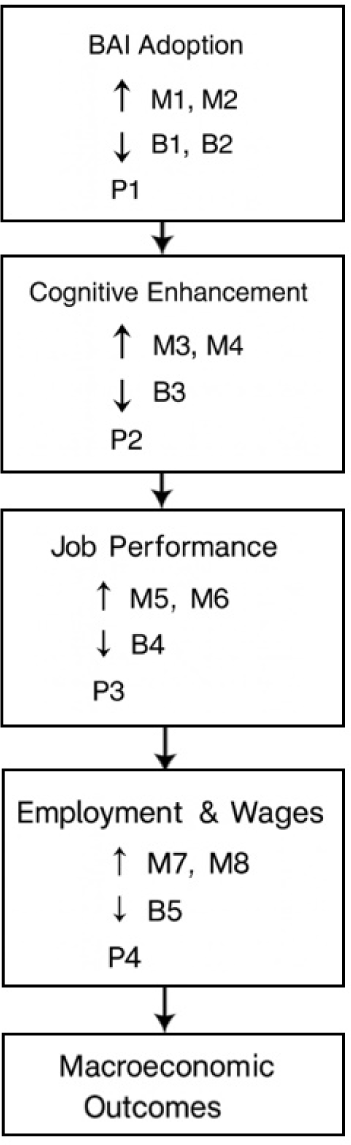
The parameters (scope and target population) and preconditions (institutional and technical requirements for implementation) of the framework have been specified in the preceding sections. They are treated as given in the present analysis. This structure promotes both analytical clarity and empirical testability. While the framework provides a theoretically grounded model for understanding these interlinked mechanisms, the operationalization and empirical validation of its components are beyond the scope of this paper. Future empirical studies are planned to test these causal pathways using methodologies such as randomized controlled trials, quasi-experiments, and CGE.
As summarized in Table 2, the causal pathway begins with BAI adoption leading to cognitive enhancement. The following section elaborates on each proposition in detail, clarifying the mechanisms, mediating factors, and boundary conditions that shape the expected outcomes.
Proposition 1 (P1): If BAI adoption increases working memory capacity in individuals with BIF, then task accuracy and sustained focus will measurably improve.
This proposition captures the first stage of transformation, where BAI functions as a high-frequency, closed-loop cognitive prosthesis. Its effectiveness hinges on the brain’s capacity for rapid adaptation and the system’s ability to deliver highly personalized feedback in real-time.
Interpretation: The integration of BAI can enhance working memory, enabling higher task accuracy and sustained focus in cognitively demanding roles. Such gains reduce cognitive load, optimize neural processing efficiency, and free up resources for complex reasoning and decision-making. These benefits can extend to fields requiring precise procedural execution and adaptive collaboration, such as advanced technical operations and coordinated team-based tasks.
Proposition 2 (P2): If coaching frequency and system response latency are optimized, overall job performance in terms of accuracy, speed, and efficiency is expected to improve in complex work environments.
This proposition extends the first wave of enhancement into the workplace. Real-time, context-aware feedback from BAI enables users to reduce cognitive load and errors during task execution.
Interpretation: Cognitive improvements fostered by BAI can result in lower error rates, faster completion of multi-step assignments, and more consistent efficiency across task types. These effects are amplified in roles that combine procedural rigor with situational judgment. At the organizational level, the outcomes include reduced quality-control overhead, increased throughput, and enhanced workplace safety, enabling a more strategic and flexible allocation of human capital.
Proposition 3 (P3): If organizational culture and job design are supportive, CAWs will sustain job performance that leads to higher retention and, over time, rising real wages.
This proposition captures the organizational and structural contingencies of augmentation. Even if BAI makes individuals more effective, labor outcomes depend on whether the institution values augmented capabilities and can adapt tasks accordingly.
Interpretation: Sustained improvements in job performance can enhance both employment stability and wage growth, provided that organizations recognize and reward augmented capabilities. For individuals with BIF, who often face high turnover and insecure employment, continuous BAI support can strengthen job fit, foster long-term retention, and create opportunities for gradual improvements in compensation. This dual outcome reduces organizational costs related to retraining and reassignment.
Proposition 4 (P4): Stable labor market participation by CAWs will generate positive macroeconomic effects, including GDP growth, higher tax revenues, and reduced welfare spending.
This final stage links micro-level labor improvements to national-level economic dynamics. Fiscal and growth effects are contingent on the economic cycle and policy environment.
Interpretation: A stable cohort of CAWs can boost labor market participation rates and raise income levels. These micro-level effects can aggregate into macroeconomic gains such as GDP growth, increased tax revenues, and reduced welfare expenditures.
To support the empirical validation of the proposed conceptual framework, each proposition is matched with a methodologically appropriate research design. The mapping below illustrates how distinct methodological approaches can be aligned with each stage of the causal pathway, from individual cognitive enhancement to macroeconomic outcomes. Table 2 and Fig. 4 together provide complementary perspectives on this conceptual sequence: Table 2 presents the sequential stages in tabular form, while Fig. 4 visually depicts the causal linkages and mediating factors across these stages. Table 3 then outlines how each component can be translated into a concrete empirical strategy. This structure is intended not as an exhaustive implementation plan, but as a high-level roadmap to guide future empirical work.
These methodological approaches align with the causal logic of each proposition. Randomized controlled trials and longitudinal cognitive testing are suited for assessing the neurocognitive outcomes in P1. Agent-based modeling combined with real-world task data provides evidence for the interactional dynamics in P2. P3 requires organizational-level longitudinal data to isolate employment effects of BAI adoption, while P4 uses macroeconomic modeling to capture aggregate fiscal and growth impacts. Together, these methods form a multi-level empirical roadmap for validating the theoretical framework.
For clarity, each proposition in Table 3 is defined according to its specific measurement criteria. Working memory (P1) is measured as a composite score obtained by averaging the standardized (z-score) results from 2-back and 3-back tasks, both of which assess the ability to hold and update information over short time intervals. Task performance (P2) is evaluated by calculating errors per unit of time, providing an efficiency-adjusted measure of accuracy. Retention (P3) is assessed as the proportion of participants maintaining their role over 12 months, reflecting sustained functional integration. Macroeconomic outcomes (P4) are quantified using computable general equilibrium (CGE) simulations to estimate changes in gross domestic product (ΔGDP) and fiscal balance, thereby linking individual-level impacts to broader economic indicators.
The propositional causal model presented above offers a structured yet adaptable foundation for designing policies that support the integration of CAWs through the use of BAI. Rather than functioning as a rigid framework, it enables policy actors to engage with the process of augmentation in a manner that is context-sensitive, sector-specific, and responsive to economic fluctuations.
By clarifying the mediating variables that transmit effects from one stage to the next, the model highlights key leverage points for targeted intervention. For instance, improvements in personalization mechanisms or support for neural adaptation may be incentivized through public funding for BAI research. Policies that promote job redesign in alignment with cognitive augmentation, such as subsidies for AI-compatible workplace tools or retraining schemes, may further facilitate the translation of individual cognitive gains into employment stability and wage progression.
Additionally, incorporating boundary conditions into the analysis supports more targeted and effective policy responses. Sectors characterized by high labor elasticity may require stronger forms of public intervention to mitigate unintended consequences such as job displacement or wage stagnation. In contrast, sectors with more stable labor dynamics may respond positively to the gradual and strategically phased implementation of BAI. This capacity for tailored decision-making across sectors reduces the risk of one-size-fits-all approaches that fail to account for structural variability.
At the macroeconomic level, the model also enables anticipation of broader fiscal and growth-related outcomes. When economic conditions are favorable, the productivity and wage effects associated with CAWs may contribute to increased tax revenues and reduced welfare expenditures. During periods of economic contraction, however, the same dynamics may require compensatory policies to safeguard equity and preserve labor participation.
Overall, this causal framework enhances the analytical and normative capacities of policy design. It supports both predictive modeling and principled governance by showing when, where, and for whom the benefits of CAW might be realized. In doing so, it establishes a more informed basis for long-term strategies that promote inclusion, productivity, and fiscal sustainability in an age of cognitive augmentation.
CONCLUSION
BAI may offer a promising opportunity to address the ongoing labor market challenges experienced by individuals with BIF. By enabling two-way communication between neural systems and AI, BAI may facilitate the transition of individuals with BIF into CAWs that can perform tasks in more adaptive and skilled ways. In addressing these challenges, the present article offers three interrelated contributions. First, it advances a closed-loop conceptual framework in which co-adaptive BAIs support the transition of individuals with BIF into CAWs. Second, it provides an illustrative macroeconomic model that estimates the potential impact of large-scale CAW integration on GDP, tax revenues, and welfare expenditures. Third, it articulates an ethical, legal, and policy architecture that includes neural data governance mechanisms and a four-stage causal pathway to guide the safe and inclusive deployment of CAWs in real-world labor markets. This innovation holds significant potential for enhancing employment outcomes for a population that has historically faced high rates of unemployment.
The potential benefits of this inclusive approach are considerable. It could enable individuals to shift from long-term welfare dependence toward meaningful participation in the labor force. This, in turn, is likely to support national productivity by increasing tax contributions and reducing public expenditures, while also enhancing the quality of life for marginalized groups. Realizing such outcomes will likely require a balanced and empirically grounded implementation strategy. The framework presented under the heading ‘Mapping the Path of Cognitive Augmentation: Propositions, Mediators, and Boundary Conditions in CAW Integration’ outlines a tentative four-stage causal pathway, spanning BAI adoption, cognitive enhancement, improved task performance, and broader macroeconomic implications. Each stage is shaped by mediating factors, such as the personalization index and coaching frequency, and influenced by contextual boundary conditions, including task complexity and labor demand elasticity.
This proposed structure helps clarify both the mechanisms through which CAW integration could unfold and the specific conditions under which its success may be more or less likely to occur. The propositions contained within the framework, from P1 to P4, provide testable hypotheses that can inform future pilot programs, agent-based simulations, and longitudinal research. Incorporating these empirical strategies into policy development may strengthen both the reliability and practical relevance of future interventions aimed at supporting inclusive labor participation.
From a technological perspective, continued refinement and validation of BAI systems will be crucial to ensure that they align with users’ cognitive needs in a safe and effective manner. Economically, targeted investments in this domain would benefit from simulation evidence and comparisons with similar inclusion efforts. On the ethical and legal fronts, it will be essential to construct frameworks that uphold human agency and ensure that CAW integration advances rather than undermines dignity. In pursuing these opportunities, it is also necessary to recognize potential limitations and risks. The estimates in this study rely on stylized elasticities and assumed integration shares; real-world outcomes will depend on factors such as device safety, variations in user characteristics, and the degree of organizational adaptation. If access is unequal, augmentation could exacerbate existing disparities. These considerations emphasize the importance of phased pilot programs, preregistered analytical protocols, and subsidy schemes designed to promote equitable access.
In light of these possibilities, early-stage policy engagement would be timely. Governments might consider updating labor regulations to account for the emergence of CAWs and offer incentives for employers who adopt inclusive hiring practices. Public investment in cognitive augmentation could eventually be considered alongside education and digital infrastructure as a foundation for broader economic inclusion. To determine the practical viability of this model, empirical research will be indispensable. This may involve pilot testing in real-world work environments, simulation-based studies of CAW functionality, and longitudinal tracking of cognitive and employment-related outcomes. Such efforts will be necessary to evaluate the validity of the proposed causal model and to guide the refinement of implementation strategies.
BAI has the potential to offer a pathway to reconceiving cognitive limitations not as fixed barriers, but as challenges that could be addressed through carefully guided innovation. If developed and implemented responsibly, CAW integration could support a labor market in which no willing individual is excluded on the basis of cognitive constraints. The transition from individuals with BIF to CAW may serve as a model for expanding human capability and building a more inclusive and adaptive society.
“What gives us worth is not simply reaching for the door. It is having the strength to open it and the courage to step into something meaningful.”


